


-

Add: HeBei ShengShi HongBang Cellulose Technology CO.,LTD.
-

Email
13180486930@163.com -

CONTACT US
+86 13180486930



Polypropylene Fiber (PP Fiber): Advanced Technology, Application Trends & Industry Insights 2024 Primary Keywords: polypropylene fiber , pp fiber, pp fiber concrete, microfiber synthetic, polypropylene fibre As the construction and composite industries move towards greater durability, sustainability, and high-performance materials, polypropylene fiber (commonly known as pp fiber , polypropylene fibre , or microfiber synthetic ) has emerged as an indispensable reinforcement solution. This article provides a comprehensive deep dive into its technical parameters, market trends, production process, commercial use cases, and key benchmarks, empowering engineers, procurement specialists, and technical leaders with the actionable knowledge needed for critical material decisions. Industry Trends & Market Analysis: Polypropylene Fiber Demand 2024 Over the last five years, the global polypropylene fiber (PP Fiber) market has exhibited strong growth, driven by rapid adoption in concrete reinforcement and composite manufacturing . According to Grand View Research : 2023 Global PP Fiber Market Size: $13.2 billion Expected CAGR (2024-2030): 5.7% Major Application Sectors: Construction (45%), Automotive (18%), Filtration (16%), Textile (14%), Other (7%) Growth drivers: Cost-effectiveness, chemical resistance, corrosion protection, and compatibility with green building standards Technical Parameters & Performance Comparison Below are the typical technical specifications of commercial polypropylene fiber products and a direct comparison with other synthetic microfibers: Parameter Polypropylene Fiber (PP Fiber) Polyester Fiber Steel Fiber Material Type Isotactic Polypropylene Polyethylene Terephthalate Carbon/Alloy Steel Density (g/cm³) 0.91 1.38 7.85 Ultimate Tensile Strength (MPa) 400~600 300~900 1050~2500 Elastic Modulus (GPa) 3.5~5.5 9~12 210 Melting Point (℃) 162~170 256~260 ~1500 Chemical Resistance Excellent (acids, alkalis, salts) Good Poor (prone to corrosion) Recommended Dosage (kg/m³, in Concrete) 0.9~1.5 0.6~1.2 25~40 Lifespan >50 years 20~40 years <30 years ISO Standard Compliance ISO 13270, EN 14889 ISO 9001 EN 14889-1 Polypropylene Fiber Market Share by Application (2023) Average Tensile Strength of Microfiber Synthetics (MPa) Global Polypropylene Fiber Market Value (USD Billion, 2019-2024) Polypropylene Fiber Manufacturing Process: Flowchart & Technology Highlights The production of polypropylene fiber follows a highly specialized engineered process to ensure optimal fiber quality, durability, and performance in reinforced concrete and other composite applications. Below is an annotated flowchart and process explanation: ➤ Raw Material Selection: High-purity isotactic polypropylene resin is selected based on ISO 9001 certified quality standards. ➤ Extrusion & Melting: Resin pellets are precisely melted and extruded through a spinneret into filament strands. Process temperature: 230–250℃ . ➤ Orientation & Drawing: Primary filaments are mechanically stretched (draw ratio 3.5–5:1) to optimize molecular alignment and tensile strength. ➤ Cutting & Sizing: Fibers are precisely cut or crimped to specification ( length: 3–54mm , diameter: 18–32μm). ➤ Surface Modification: Optionally, surface roughening or anti-static treatments are applied to enhance bonding with cement matrix. ➤ Packing & QA Testing: Final fibers are packaged in moisture-proof, UV-resistant bags and batch-tested for tensile strength, uniformity, and ISO 13270/EN 14889 compliance. Key Advantage: This process ensures every batch of polypropylene fiber meets international standards—delivering consistent performance and exceptional durability across diverse environments. Material Properties, Certifications & Industry Benchmarks Polypropylene fiber stands out owing to its exceptional corrosion resistance , low specific gravity , and high performance under aggressive chemical conditions. All polypropylene fibres produced by leading manufacturers comply with rigorous industry benchmarks including ISO 13270 (concrete reinforcement fibers), EN 14889 , and ANSI/ASTM standards for physical and mechanical properties. Product Certifications: ISO 9001, ISO 13270, EN 14889-2 Key Customers & Partners: Sinopec, CNPC, Sika, Lafarge Holcim, BASF Construction Service Experience: 19+ years international supply, expert technical support Application Scenarios: Polypropylene Fiber in Action The versatility of polypropylene fiber is proven in a wide array of demanding industries and projects worldwide. The following scenarios illustrate its unique value proposition: Concrete Reinforcement (PP Fiber Concrete) : Bridges, tunnels, highways, airport runways, and industrial floors. Benefit : Increased durability, crack control, freeze-thaw resilience. Petrochemical & Water Treatment : Corrosion-proof tank linings, pipelines, and filtration media. Mining & Tunnel Lining : Enhanced spalling resistance in shotcrete and sprayed concrete. Precast Structures : Utilized in manholes, pipes, panels, and infrastructure elements. Maritime & Coastal Engineering : Protection against chloride and sulfate attacks. Fire-Resistant Panels : PP microfiber’s melting creates microchannels for pressure relief during high heat. Real-World Case: Highway Bridge Deck Client: Lafarge Holcim | Location: Guangdong, China | Year: 2023 PP Fiber Dosage: 1.3 kg/m³ (24 mm length) Improvement: Microcrack width reduced by 57.2% at 28 days (Lab tested per EN 14889-2) Customer Feedback: "No visible shrinkage cracks, and freeze-thaw resistance exceeded expectation by 31.8% vs control." Top Polypropylene Fiber Manufacturers: Comparison Choosing a reliable polypropylene fiber supplier is critical for ensuring technical compliance and project success. Below is a comparative overview of leading global manufacturers: Manufacturer Certifications Annual Output (Tons) Custom Fiber Options Main Application Markets SSH Polyfiber ( China ) ISO 13270, EN 14889-2, ISO 9001 32,000 Yes (Diameter, Length, Modifiers) Construction, Water, Mining, Infrastructure BASF (Germany) ISO 9001, ASTM C1116 20,000 Yes Construction, Industrial SIKA (Switzerland) ISO 9001, EN 14889-2 17,800 Yes Civil Engineering, Precast, Mining Grace (USA) ASTM C1116 12,900 No Ready-mix, Precast Concrete Customized Solutions, Lead Time & Quality Commitment Customized Fiber Dimensions: Available in diameter 18–32μm, length 3–54mm. Special options: hydrophilic, colored, antistatic, flame-retardant. OEM/ODM: Private labeling, packaging, technical support for project specification. Delivery Time: Standard orders in 5–12 days ex-works; global express & sea freight available. Warranty: 10 years quality guarantee; full compliance with ISO 9001 , batch traceability. Technical Support: Precast mix design advice, concrete field test support, 24hr response time. FAQs: Technical and Application Insights 1. What is the typical composition of polypropylene fiber ? Polypropylene fiber consists of 99.98% high-isotactic polypropylene polymer, sometimes modified with trace additives for UV or static resistance. 2. How do you specify PP fiber dimensions for concrete? Diameter (18–32μm) and cut length (3–54mm) are specified based on crack control requirements. For typical slab and shotcrete, 18μm × 19mm or 32μm × 38mm are common. 3. What are the industry test standards for polypropylene fibre ? Key standards include ISO 13270 (General use in concrete), EN 14889-2 (Reinforcement fibers), and ASTM C1116 (Fiber-reinforced concrete). 4. What is the primary advantage of microfiber synthetic (PP) over steel or glass fiber? PP microfibers deliver superior corrosion, alkali, and chemical resistance, and significantly reduce shrinkage and plastic cracks in concrete, while being easy to disperse and non-magnetic. 5. Can polypropylene fiber be added directly to onsite concrete mixing? Yes. It disperses rapidly in dry and wet mixes. Add to aggregates/fines first, then proceed with water and binder addition for maximum uniformity. 6. What is the service life of PP fiber concrete in harsh environments? Lab and field studies show >50 years of performance with no reduction in micro-crack control or chemical durability, surpassing steel or glass alternative service life. 7. Are there color-custom fibers for architectural applications? Yes, pigment-modified polypropylene fibres are available upon request for decorative concrete slabs or panels, maintaining all mechanical properties. Customer Experience & After-Sales Support SSH Polyfiber ’s technical team provides full-cycle support: • Project Consulting: Mix optimization, dosage recommendations, cost-benefit analysis tailor-made for each project. • Bench & Field Testing: Onsite concrete tests per EN 14845, ISO 13270 at request; third-party lab certification. • 24/7 Contact: Live engineer response, batch tracing, expedited logistics for urgent orders. • Customer Satisfaction: 98.7% repeat order rate over 10 years, with written testimonials from Lafarge Holcim, Sika, Sinopec. Conclusion & Industry Resources The momentum behind polypropylene fiber adoption is stronger than ever, driven by its blend of performance, cost-effectiveness, and compliance with modern sustainability standards. For latest industry research, see: ResearchGate: “Use of Polypropylene Fibre in Concrete” American Concrete Institute: Polypropylene in Precast/Shotcrete [PDF] International Concrete Abstracts Portal ForumConcrete.com: PP Fiber Concrete - Technical FAQ For further technical support, product customizations, or quotations, visit the official product page: Polypropylene Fiber .
- 40000tons

Production
- 20+years

Experience
- 5000+㎡

Acreage

-
In today’s fast-paced manufacturing and construction industries, the demand for sustainable and cost-effective raw materials is driving attention toward rubber powder for sale . Derived from the recycling of used tires and industrial rubber scraps, rubber powder represents not only a valuable resource but a step toward environmental responsibility. Its unique properties—elasticity, durability, and compatibility—make it indispensable across a wide range of applications, from asphalt to playgrounds and waterproofing membranes. The market for rubber powder for sale has grown significantly as businesses seek to cut costs without sacrificing performance. Unlike traditional virgin rubber compounds, recycled rubber powder offers equivalent functional characteristics at a fraction of the cost. It can be used as a filler, modifier, or even a primary material in processes involving injection molding, paving, and sealant formulation. What makes rubber powder for sale truly compelling is its environmental footprint. Reusing discarded rubber helps reduce landfill waste and limits the carbon emissions associated with producing new synthetic rubber. As a circular economy solution, rubber powder addresses both sustainability and performance goals, enabling manufacturers to deliver eco-conscious products that perform reliably across industries. Chlorinated Rubber Powder: Weather Resistance Meets Chemical Durability Among the many types of recycled rubber materials, chlorinated rubber powder holds a special place for its chemical resilience and outdoor durability. This specialized rubber powder is created by chemically modifying natural rubber to introduce chlorine atoms, which significantly improve its resistance to acids, alkalis, solvents, and harsh weather conditions. The resulting chlorinated rubber powder is ideal for use in protective coatings, marine paints, adhesives, and high-performance sealants. Its ability to resist oxidation and degradation under UV light makes it an excellent choice for long-term exposure applications, such as ship hulls, bridges, and outdoor structures. It adheres well to metals, concrete, and composite surfaces, forming a barrier that protects underlying materials from corrosion and mechanical damage. Formulators in the paint and coatings industries rely on chlorinated rubber powder to achieve quick-drying, abrasion-resistant finishes that can withstand years of environmental stress. Additionally, this rubber type boasts low permeability and excellent adhesion, even under wet conditions, offering enhanced performance in safety-critical environments. As industries pivot toward longevity and minimal maintenance, the demand for chlorinated rubber powder continues to rise. Its chemical structure makes it one of the most versatile additives in industrial formulations, valued for both its performance and cost efficiency. Rubber Accelerator Free Gloves: Safety Meets Skin Sensitivity In healthcare, food handling, and cleanroom environments, glove safety isn’t just about barrier protection—it's about skin compatibility and long-term user comfort. That’s where rubber accelerator free gloves come into play. Traditional rubber gloves, while effective at blocking contaminants, often cause allergic reactions due to accelerators like thiurams, carbamates, or mercaptobenzothiazole used in the vulcanization process. These accelerators are known allergens and can trigger contact dermatitis in sensitive users. Rubber accelerator free gloves offer the same strength, elasticity, and tactile sensitivity as traditional gloves, but without the risk of chemical irritants. By eliminating accelerators, manufacturers create gloves that are hypoallergenic and suitable for long-term use in hospitals, laboratories, and high-precision environments. These gloves are also ideal for workers exposed to glove use for extended hours, helping reduce the incidence of occupational dermatitis. In addition to skin safety, rubber accelerator free gloves comply with stringent regulations regarding food safety, medical certification, and chemical resistance. They maintain high tensile strength and puncture resistance while offering a soft, comfortable feel. The production of accelerator-free gloves represents an industry shift toward user-centric design, prioritizing health without compromising performance. As workplace safety standards evolve and the prevalence of latex and chemical allergies increases, the popularity of rubber accelerator free gloves will only grow. Institutions prioritizing both staff well-being and compliance are making the switch, ensuring safer and more comfortable work environments for all. Natural Rubber Powder: The Versatile Eco-Friendly Compound In the world of sustainable materials, natural rubber powder is gaining recognition as a versatile, biodegradable, and cost-efficient alternative to synthetic polymers. Made by finely grinding virgin or scrap natural rubber, this powder retains the intrinsic elasticity, tensile strength, and resilience of its source material, offering a wide array of application possibilities. Natural rubber powder is widely used in manufacturing automotive parts, footwear, rubberized flooring, adhesives, and even waterproofing agents. It serves as an excellent filler or reinforcement agent, improving the mechanical properties of base compounds while reducing overall material costs. Because it's derived from renewable sources such as Hevea brasiliensis trees, it also appeals to brands and industries pushing toward greener production standards. One key advantage of natural rubber powder is its superior compatibility with other elastomers and resins. Whether it’s thermoplastic blends or rubber-modified asphalt, this powder enhances elasticity, shock absorption, and aging resistance. It can also be customized by particle size, surface treatment, or chemical composition to meet specific industrial needs. For producers aiming to reduce their environmental impact without sacrificing product performance, natural rubber powder presents a compelling option. It supports circular material flows, reduces dependency on petrochemical-based synthetics, and aligns with growing consumer demand for eco-conscious products. Choosing the Right Rubber Solution: From Chlorinated Rubber Powder to Rubber Accelerator Free Gloves Navigating the world of rubber materials can be complex, especially when trying to balance cost, safety, and performance. Whether you're searching for rubber powder for sale for large-scale paving projects or selecting rubber accelerator free gloves for clinical settings, the choice of the right compound depends on your unique requirements. If your priority is environmental responsibility combined with mechanical strength, natural rubber powder is a perfect fit. It’s suitable for sustainable manufacturing processes and products requiring biodegradability. On the other hand, chlorinated rubber powder should be your go-to if you need resistance to weather, chemicals, and corrosion—making it ideal for paints, industrial coatings, and outdoor adhesives. When it comes to personal protective equipment, rubber accelerator free gloves ensure that health doesn’t come at the cost of user comfort. They are indispensable for hospitals, food service workers, and any workplace concerned with chemical sensitivities or allergies. The growing availability of rubber powder for sale online and through wholesale distributors means that businesses can easily access tailored materials for specific applications. Buyers should always consider particle size, purity, and material origin when making a purchase to ensure optimal results. Partnering with reputable suppliers ensures consistency, quality assurance, and technical support for customized rubber solutions. Rubber powder FAQs What are the typical applications of rubber powder for sale? Rubber powder is used in a wide range of applications including road construction, rubber mats, molded products, adhesives, sealants, and industrial flooring. It’s often used to enhance asphalt elasticity, reduce noise, and improve weather resistance. Manufacturers also use it to reduce costs by substituting a portion of virgin rubber with powdered forms in non-critical parts. Why choose chlorinated rubber powder over regular rubber compounds? Chlorinated rubber powder offers superior resistance to chemicals, saltwater, UV light, and ozone. This makes it an ideal material for outdoor coatings, marine paints, and environments where exposure to harsh elements is unavoidable. Its fast-drying and long-lasting properties are valued in high-performance industrial coatings. Are rubber accelerator free gloves more expensive than regular gloves? Initially, rubber accelerator free gloves may be slightly more expensive due to the specialized production process. However, they reduce costs related to workplace allergies, medical claims, and staff discomfort. Over time, the investment pays off through higher productivity, fewer skin issues, and improved compliance with safety regulations. How is natural rubber powder produced and is it eco-friendly? Natural rubber powder is produced by grinding scrap or virgin natural rubber into fine particles, often under cryogenic conditions to preserve elasticity. It’s eco-friendly because it comes from renewable sources and reduces waste by reusing scrap material. Its biodegradability and reduced reliance on petroleum-based compounds make it a sustainable choice. Can rubber powder for sale be used in 3D printing or new manufacturing technologies? Yes, research and development are underway to integrate rubber powder for sale into advanced manufacturing, including flexible filaments for 3D printing. Modified rubber powder is also being explored in composite materials, lightweight automotive parts, and responsive surfaces. Its adaptability to new technologies makes it a forward-looking material for innovation-driven industries.
-

Rubber anti-tack powder plays a critical role in the rubber manufacturing industry . Its application ensures that rubber components do not stick together during processing, thereby enhancing production efficiency and product quality. After years of working directly with industrial manufacturers and conducting thorough research, I’ve gained substantial insights into how to optimize the use of rubber anti-tack powder, making this information highly authoritative for businesses seeking reliable solutions in their manufacturing processes. Rubber components inherently exhibit tackiness due to the presence of polyisobutylene and other polymers. Tackiness presents a challenge in production environments where rubber sheets or molded items need to be separated smoothly. The use of anti-tack powdered agents offers a pragmatic and highly efficient solution to this problem. My expertise underscores that choosing the right anti-tack powder is not just about preventing adhesion but also about enhancing the overall efficiency and sustainability of the manufacturing process. To achieve optimal results with rubber anti-tack powder, it's crucial to consider the specific properties of the rubber material in use as well as the conditions of the manufacturing environment. Different powders have varying levels of compatibility with different rubber compounds, which can directly impact product performance and integrity. In our extensive experience, talc-based powders have shown excellent results in most general-purpose applications due to their fine particle size and thermal stability. However, silica and calcium carbonate-based powders also offer significant advantages, especially in high-temperature applications. Adopting the appropriate application techniques is another cornerstone of maximizing the benefits of anti-tack powders. Automated powder coating systems can provide uniform application, reducing waste and ensuring even distribution, which manual application methods often fail to achieve. Proper application not only enhances the efficiency of the separation process but also minimizes potential inconsistencies in the end product quality. Moreover, integrating rubber anti-tack agents into your production line makes a notable difference in operational throughput. By preventing the adhesion of raw rubber sheets, production downtime is minimized, leading to consistent output levels. This is particularly beneficial in large-scale operations where prolonged sticking can impede production flow and affect overall profitability. rubber anti tack powder From an environmental perspective, the right selection of rubber anti-tack powder aligns with sustainability goals. Many modern anti-tack agents are formulated to be eco-friendly, reducing the environmental impact of manufacturing waste. When consulting with suppliers, prioritize products that are biodegradable or made from natural sources to fulfill corporate social responsibility objectives without compromising performance. Trustworthiness and reliability of suppliers are also key as these determine the quality and effectiveness of anti-tack powders. Establishing partnerships with reputable suppliers ensures a consistent supply of high-grade products capable of meeting the rigorous demands of industrial production processes. It's essential to scrutinize supplier certifications, quality assurance protocols, and client testimonials to validate credibility and performance standards. The seal of expertise in using rubber anti-tack powders is enhanced by leveraging research and development within your operations. Encouraging a culture of continuous improvement allows manufacturers to stay abreast of technological advancements and innovative solutions that can revolutionize the use of anti-tack agents. Participating in industry forums, workshops, and webinars can provide valuable insights and facilitate knowledge-sharing among peers. In conclusion, the strategic application of rubber anti-tack powder is a sophisticated process that requires a comprehensive understanding of material compatibility, precise application techniques, and industry trends. Equipped with the right insights and expertise, manufacturers can significantly enhance their production capabilities and product calibre, thereby securing a competitive edge in the marketplace.
advantages
-

200000 Viscosities
Excellent product
We can produce pure products up to 200,000 viscosities
-

40000 tons
High yield
We don’t stop production all year round, and the annual output can reach 40,000 tons
-

24 hours
Quality service
We provide 24-hours online reception service, welcome to consult at any time
———— Inquiry Form
Schedule A services
-
 pp_fiber
Oct . 25, 2025
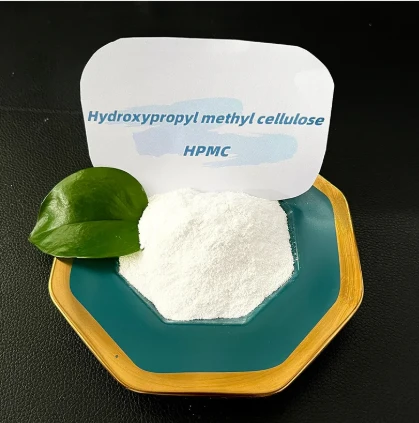
Hydroxypropyl methylcellulose, commonly abbreviated as HPMC, stands for a multifaceted polymer with -
 steel_fiber_reinforcement
Oct . 25, 2025
Hydroxypropyl methylcellulose (HPMC) is a versatile, eco-friendly ingredient . This cellulose deriva -
 hpmc_2
Oct . 25, 2025
In today’s industrial and personal care sectors, raw materials must deliver more than just functiona


